Source Natural Garden Bird House for Patio, Yard, and Outdoor Spaces
Explore 30 options for a natural garden bird house crafted from bamboo, wood, or eco-friendly resin. Compare designs, sizes, and customization features to find the ideal solution for your outdoor decoration needs.
Key considerations
Products List


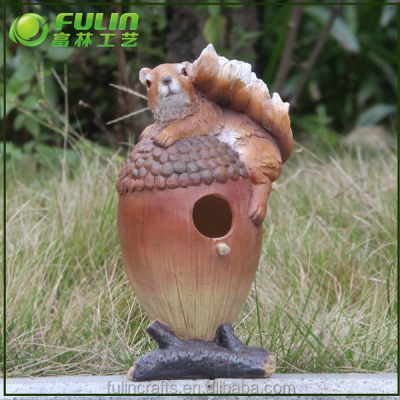


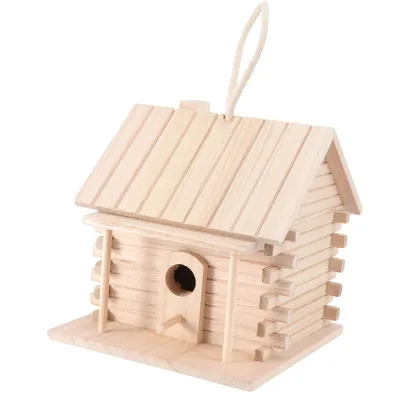
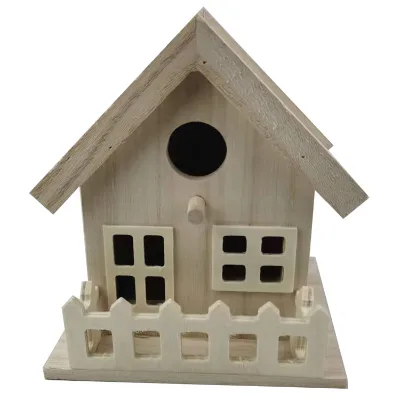
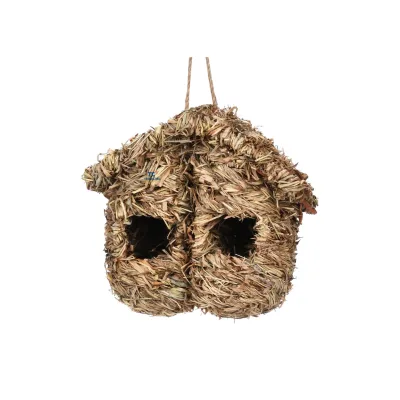


Comprehensive Sourcing Guide
Natural Garden Bird House Sourcing Guide
Sourcing natural garden bird houses requires a clear understanding of the specific material attributes and functional designs available in the current market. Based on observed listings, the core product category encompasses items crafted from renewable materials such as wood, bamboo, and eco-friendly resin, designed to blend seamlessly with outdoor environments. Buyers should note that while some units are marketed as "Natural" and "Eco-Friendly," the material composition can vary significantly between solid wood constructions and resin-based alternatives that mimic natural textures. This distinction is critical for procurement strategies, as the durability and weather resistance of bamboo or wood differ from those of resin products intended for long-term outdoor exposure.
The commercial landscape for these items reveals a diverse range of customization options and production capabilities, with suppliers offering both standard and bespoke configurations. Listings indicate that customization is available for logos, with techniques ranging from silkscreen printing to concave engraving, allowing buyers to brand their products effectively. However, the market also contains non-customized stock items, meaning procurement teams must explicitly define their branding requirements early in the sourcing process. The observed product models, such as EB-84751 and EB-G23661, suggest a variety of sizes and styles, from simple designs to more complex animal-themed structures, necessitating a careful review of specifications to ensure the selected unit meets the intended aesthetic and functional goals.
Product Scope and Observed Listing Signals
When evaluating product scope, buyers must distinguish between items intended for general home decoration and those specifically engineered for garden utility. The observed data highlights products categorized under "Home Decoration" and "Garden Bird House," with usage scenarios extending to daily use, outdoor settings, and celebration occasions. Some listings explicitly mention "Wholesale bird house" and "Garden bird house" as functional categories, indicating that the product line includes specialized designs like animal-themed structures or specific models like the NF15028-2 bird house. This variety suggests that a single supplier may offer a broad portfolio, requiring buyers to filter for specific use cases such as feeding stations versus purely decorative ornaments.
Listing signals also provide insight into the packaging and logistical readiness of the products, which impacts shipping costs and inventory management. Observed packaging details range from individual mail boxes to carton-packaged units, with specific configurations like "1 piece per inner box with bubble bag inside" and "16 pieces per export carton." These details are vital for calculating volumetric weight and ensuring that fragile items, particularly those with painted finishes, are protected during transit. Furthermore, the presence of "Multicolor" and "Pure" color options alongside "Eco-Friendly" features indicates that buyers can source products that align with specific design themes while maintaining the natural aesthetic required for garden environments.
Technical Specifications to Verify
Technical verification begins with confirming the physical dimensions and structural standards of the bird houses, as these directly influence installation and compatibility with existing garden setups. Observed specifications include standard sizes such as 22x17x18cm for certain models, while other listings indicate "customized" dimensions, suggesting flexibility in production. Buyers should verify the exact size requirements for their specific application, whether for small perching birds or larger species, and ensure that the "M" size or other listed dimensions align with their design constraints. Additionally, the "Season" attribute of "Spring & Autumn" suggests that some products may be optimized for specific weather conditions, requiring verification of all-weather durability for year-round outdoor use.
Material composition and finish quality are equally critical technical parameters that must be validated against the intended lifespan of the product. While some items are explicitly made from "Wooden/ Bamboo" or "Bamboo," others utilize "eco-friendly resin," each offering different trade-offs between natural appearance and weather resistance. The "Painting" attribute notes that all painting passes SGS Reach and Rohs tests, a crucial detail for ensuring that decorative finishes do not leach harmful substances into the environment. Buyers should request material samples to verify the density of the wood or the UV stability of the resin, ensuring that the "Eco Product" claim translates into a durable, long-lasting structure that withstands the elements without degrading.
Compliance and Safety Documentation
Compliance verification is essential for ensuring that natural garden bird houses meet international safety standards, particularly regarding the materials and finishes used. The observed listings mention that painting processes pass SGS Reach and Rohs tests, which are critical for verifying that the products are free from restricted substances like heavy metals or phthalates. Buyers should request current test reports for these specific standards to confirm that the finished goods are safe for outdoor environments where birds and potentially children may come into contact with the surfaces. This documentation serves as a primary defense against regulatory issues in markets with strict environmental and safety regulations.
Beyond material safety, buyers must verify the quality assurance protocols and factory inspection records to ensure consistent production standards. Some suppliers in the observed data have passed BV factory inspections, a significant indicator of a supplier's commitment to quality control and operational reliability. This third-party verification provides assurance that the manufacturing processes adhere to defined standards, reducing the risk of defects in the final shipment. Procurement teams should prioritize suppliers who can provide up-to-date inspection certificates and clearly document their quality control measures, ensuring that the "100% Exporter Standard" claim is backed by tangible evidence rather than marketing assertions.
Cost Drivers and Commercial Terms
Cost drivers for natural garden bird houses are heavily influenced by material selection, customization levels, and order volume. The observed MOQ range spans from 1 to 800 units, with specific listings showing an MOQ of 500 for certain models, indicating that smaller orders may incur higher per-unit costs or require special handling. Customization features, such as concave logos or specific color schemes, add complexity to the production process and can increase the base price. Buyers should analyze the trade-off between standard "Pure" or "Multicolor" options and custom designs to optimize their budget while maintaining the desired brand identity and aesthetic appeal.
Commercial terms regarding lead times and payment structures are critical for supply chain planning and cash flow management. Observed delivery details indicate a lead time of 7 to 30 days after order confirmation for standard items, while more complex orders, such as those requiring specific bird house designs, may require up to 45 days after receiving a deposit. Sample times are noted as 7 to 10 days, which is a key factor for buyers needing to validate product quality before committing to a large order. Understanding these timelines is essential for aligning production schedules with market demand, especially for seasonal items intended for Spring and Autumn usage.
Supplier Qualification and Quality Control
Supplier qualification should focus on verifying the origin and production capacity of the manufacturers to ensure a stable supply chain. The observed data points to suppliers located in Fujian, China, with a supply ability of 100,000 pieces per month for bird feeders, suggesting a robust manufacturing base capable of handling large-volume orders. Buyers should confirm the specific factory location and assess the logistical capabilities, such as the FOB Xiamen port of dispatch, to understand the shipping routes and potential transit times. A supplier with a high supply ability and established export experience is better positioned to handle fluctuations in demand and maintain consistent product availability.
Quality control mechanisms must be rigorously evaluated to prevent defects and ensure that every unit meets the "100% Exporter Standard" claim. Buyers should inquire about the specific inspection protocols used during production, including in-process checks and final random inspections. The presence of BV factory inspection passed status is a strong indicator of a supplier's adherence to quality standards, but buyers should also request their own third-party inspection reports for the specific batch they intend to purchase. This proactive approach ensures that the "Eco-Friendly" and "Natural" attributes are not compromised by manufacturing errors or substandard materials.
Long-Term Procurement Checks
Long-term procurement success depends on establishing a reliable relationship with suppliers who can maintain consistent quality and delivery performance over time. Buyers should implement a system for periodic re-verification of supplier certifications, including BV inspections and SGS test reports, to ensure that compliance standards are continuously met. Regular audits of the production line and material sourcing can help identify potential risks early, such as changes in wood quality or resin formulations that might affect the product's durability or environmental safety. This ongoing vigilance is crucial for maintaining the integrity of the "Natural" and "Eco-Friendly" branding in the long run.
Finally, buyers must monitor market trends and product evolution to ensure their sourcing strategy remains competitive and aligned with consumer preferences. The observed variety in product models, from simple designs to animal-themed structures, indicates a dynamic market where innovation is key. Procurement teams should stay informed about new material technologies and design trends that could enhance the appeal of natural garden bird houses. By maintaining a flexible sourcing strategy and fostering strong communication with suppliers, buyers can adapt to changing market conditions and continue to offer high-quality, sustainable products to their customers.
FAQs
What materials are used for natural garden bird houses?
Natural garden bird houses are typically crafted from sustainable materials such as bamboo, wood, or eco-friendly resin. These materials ensure durability while maintaining an organic aesthetic suitable for outdoor environments. The selection of bamboo or wood provides a classic look, whereas resin options offer weather resistance. Buyers can choose based on their preference for traditional wood textures or modern, low-maintenance synthetic alternatives that still align with eco-friendly standards.
Can natural garden bird houses be customized with a logo?
Yes, customization is available for many natural garden bird house models. Suppliers often offer silkscreen printing or concave logo options to brand the products. This allows businesses to add their corporate identity to the bird houses effectively. The customization process supports both simple and detailed designs, ensuring that the final product meets specific branding requirements while maintaining the natural appeal of the materials used in construction.
What is the typical lead time for natural garden bird house orders?
The typical lead time for natural garden bird house orders ranges from 7 to 30 days after order confirmation. For larger wholesale orders, such as those involving bird feeders, delivery may take up to 45 days after receiving the deposit. Sample times are generally shorter, taking about 7 to 10 days. These timelines depend on the order quantity and specific production schedules, so buyers should plan their procurement accordingly to ensure timely delivery.
How are natural garden bird houses packaged for export?
Natural garden bird houses are packaged using various methods to ensure safe transit. Common options include mail boxes for individual units or carton packaging for bulk orders. For example, bird houses may be packed one per inner box with a bubble bag for protection, with 16 pieces per export carton. This structured packaging helps prevent damage during shipping and ensures that the products arrive in perfect condition for decoration or daily use.
What certifications apply to natural garden bird house products?
Natural garden bird house products often adhere to strict quality and safety standards. Paintings and finishes on these items typically pass SGS, Reach, and Rohs tests to ensure they are safe for outdoor use. Additionally, some factories undergo BV factory inspections to verify production quality. These certifications confirm that the materials and manufacturing processes meet international standards for eco-friendly and safe home decoration items.
What is the minimum order quantity for natural garden bird houses?
The minimum order quantity for natural garden bird houses varies by supplier and product model. Observed MOQs range from 1 to 800 pieces, with some specific models requiring a minimum of 500 units. Buyers can find options with lower MOQs for testing the market or larger MOQs for significant wholesale purchases. It is advisable to check the specific requirements for each model to determine the best fit for your procurement needs.